
Blog
When Nashville families start exploring private school, the first number they see is tuition. It's the figure on the website, the number in the brochure, and — for many parents — the reason they almost close the tab before reading further.
You've decided your family is open to private school education. Now comes the harder part: figuring out which school is actually right for your child.
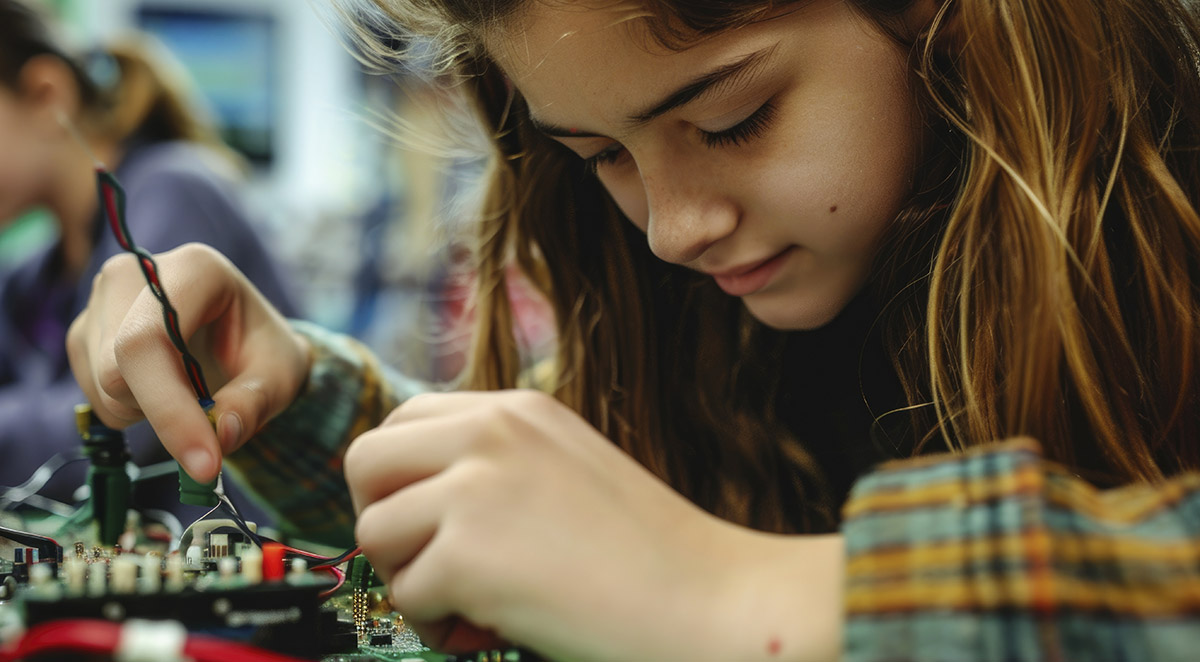
Every parent has had the moment. You're looking at your child — the one who builds elaborate worlds out of cardboard boxes, who asks questions that don't have easy answers, who lights up when they're making something but goes quiet when asked to fill out another worksheet — and you think: there has to be a school that works the way their mind works.

Your daughter spends hours building elaborate worlds out of cardboard and tape, but can't seem to sit still during a 45-minute lecture. Your son fills every notebook margin with sketches and story ideas, but his report card tells a different story — one of incomplete worksheets and "needs to focus" comments. You know your child is bright. You can see it in the way they light up when they're working on something that matters to them. So why does school feel like such a struggle?